

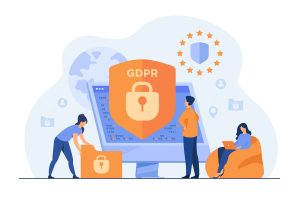
In today’s digital age, data is king. With the rise of data-driven decision-making, businesses have access to more customer information than ever before. But with this, increased access comes increased responsibility. The General Data Protection Regulation (GDPR) is a set of rules designed to protect individuals’ data privacy and give them greater control over their personal information. In this article, we’ll explore what GDPR means for your business and provide some tips for staying compliant.
What is the GDPR?
The GDPR is a comprehensive data privacy regulation that was implemented by the European Union (EU) in May 2018. Its purpose is to give individuals greater control over their personal data and to simplify the regulatory environment for businesses operating within the EU. The GDPR applies to any company that processes the personal data of EU citizens, regardless of where the company is located. This means that even businesses operating outside of the EU may be subject to GDPR regulations if they collect data from EU citizens.
Key Principles of the GDPR
- Consent – Individuals must give clear and affirmative consent for their personal data to be collected, processed, and stored.
- Data Portability – Individuals have the right to request a copy of their personal data in a portable format.
- Right to Erasure – Individuals have the right to have their personal data erased in certain circumstances.
- Data Minimization – Companies should only collect and process the minimum amount of personal data necessary for their intended purpose.
- Accountability – Companies are responsible for ensuring that they comply with the GDPR and must be able to demonstrate their compliance.
Tips for Staying GDPR Compliant
- Appoint a Data Protection Officer – If your business processes large amounts of personal data, consider appointing a Data Protection Officer (DPO) to oversee GDPR compliance.
- Conduct a Data Audit – Identify all of the personal data your business collects, processes, and stores. This will help you to ensure that you are only collecting and storing data that is necessary for your business purposes.
- Implement Privacy by Design – Ensure that data privacy is considered from the beginning of any project or new product development.
- Educate Employees – All employees who handle personal data should be trained on GDPR compliance and data protection best practices.
- Review and Update Policies – Regularly review and update your data protection policies to ensure they are in line with GDPR requirements.
The GDPR is a comprehensive set of regulations designed to protect individuals’ data privacy and give them greater control over their personal information. Businesses must ensure that they are compliant with the GDPR if they collect, process, or store personal data from EU citizens. By following the tips provided in this article, businesses can stay compliant and protect their customers’ data privacy while still leveraging the power of data-driven decision-making.